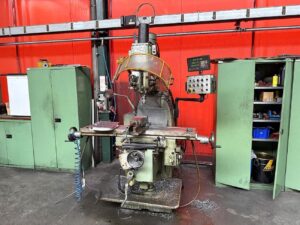
B.01 16509
Huvema X: 790 – Y: 420 – Z: 420 mm
Universal Milling machine & CNC
Huvema
Price on request
Details199 used milling machines in stock at APT International, from brands such as Tos, ZM and Correa. Every machine is in our own warehouses in Belgium and can be inspected.
199 machines in stock. Filter by brand, year and location to find the right match.
199 machines · page 1 of 3
B.01 16509
Universal Milling machine & CNC
Huvema
Price on request
Details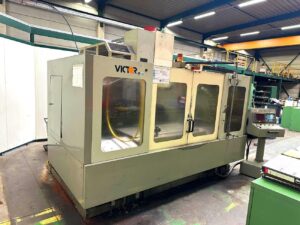
B.04 16497
Bed milling machine with moving column & CNC
Victor
Price on request
Details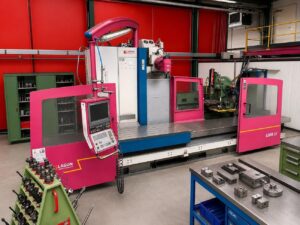
B.03 16385
Bed milling machines with moving table & CNC
Lagun
Price on request
Details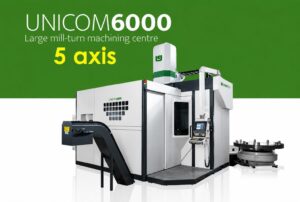
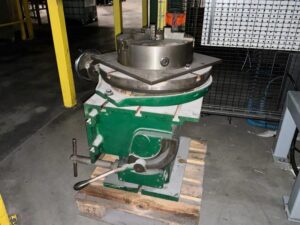
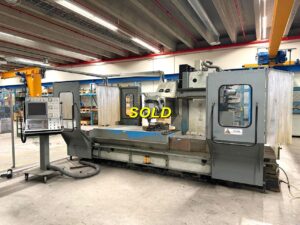
B.03 16262
Bed milling machines with moving table & CNC
Zayer
Price on request
Details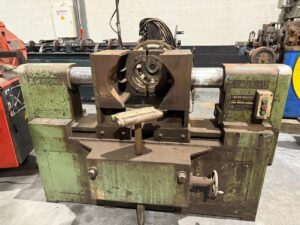
B.11 16244
Other & special purpose milling machines
Sanriku
Price on request
Details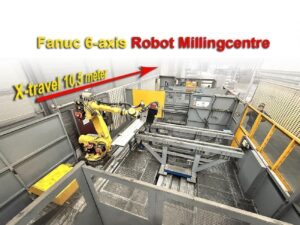
B.04 16238
Bed milling machine with moving column & CNC
Fanuc Milling Robot
Price on request
Details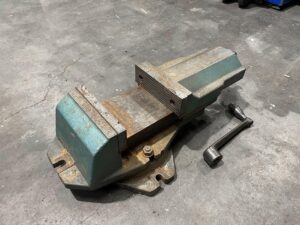
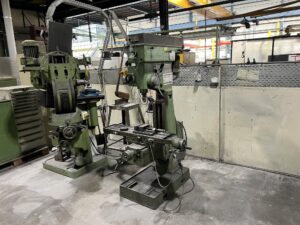
B.01 16076
Universal Milling machine & CNC
ZM
Price on request
Details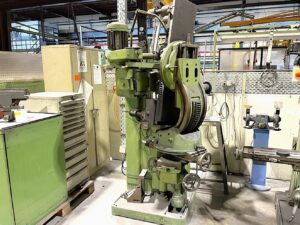
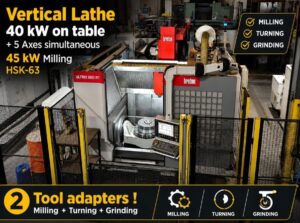
A.12 16067
Vertical turning machines conventional & CNC
Breton
Price on request
Details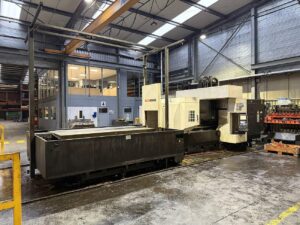
B.03 16066
Bed milling machines with moving table & CNC
Mazak
Price on request
Details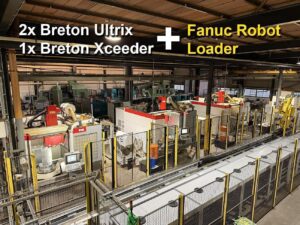
B.01 16013
Universal Milling machine & CNC
Fanuc
Price on request
Details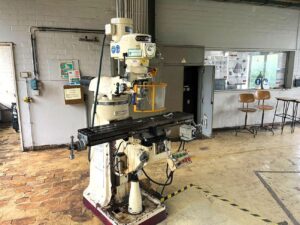
B.01 15963
Universal Milling machine & CNC
Chevalier
Price on request
Details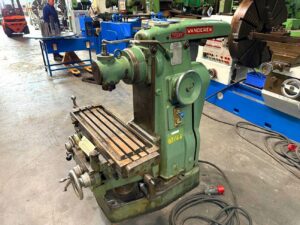
B.01 15944
Universal Milling machine & CNC
Wanderer
Price on request
Details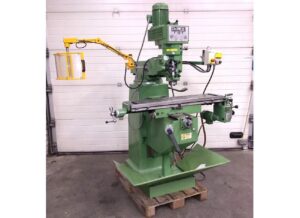
B.01 15927
Universal Milling machine & CNC
Holke F-10-V
Price on request
Details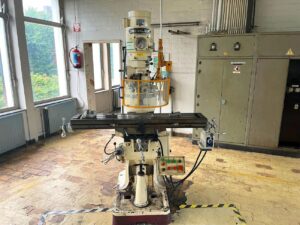
B.01 15924
Universal Milling machine & CNC
Chevalier
Price on request
Details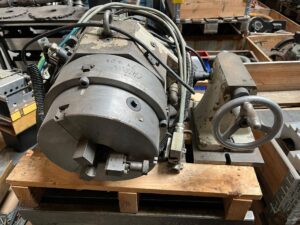
B.99 15853
Spare parts for milling machine
Walter Helitronic
Price on request
Details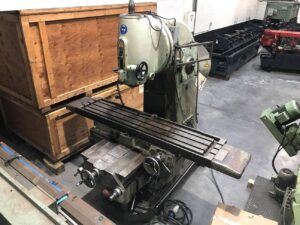
B.01 15793
Universal Milling machine & CNC
Tos FA5AV
Price on request
Details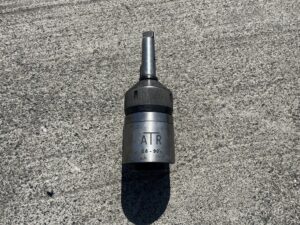
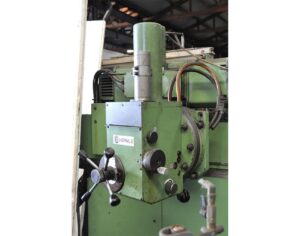
B.99 15740
Spare parts for milling machine
Hermle
Price on request
Details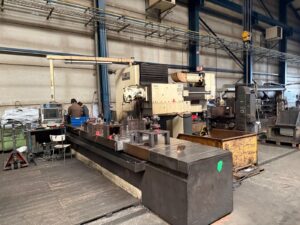
B.03 15739
Bed milling machines with moving table & CNC
Rivolta
Price on request
Details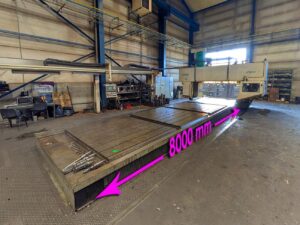
B.03 15729
Bed milling machines with moving table & CNC
Unisign
Price on request
Details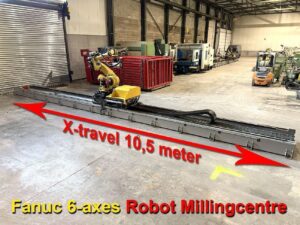
B.04 15578
Bed milling machine with moving column & CNC
Fanuc Milling Robot
Price on request
Details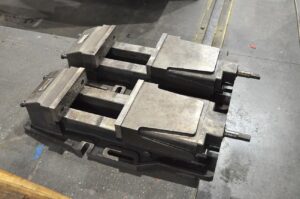
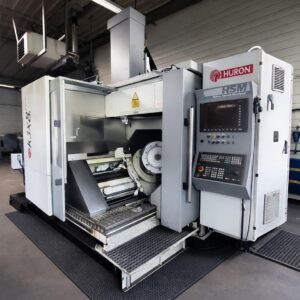
B.01 15212
Universal Milling machine & CNC
Huron
Price on request
Details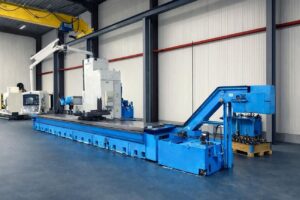
B.04 15077
Bed milling machine with moving column & CNC
Soraluce SL8000
Price on request
Details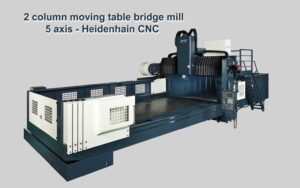
B.03 14271
Bed milling machines with moving table & CNC
Johnford
Price on request
Details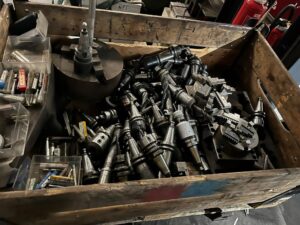
B.99 14264
Spare parts for milling machine
Various Milling Heads
Price on request
Details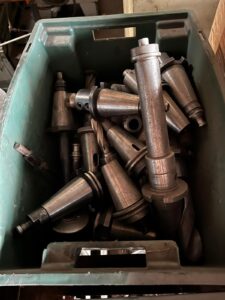
B.99 14261
Spare parts for milling machine
Various Milling Heads
Price on request
Details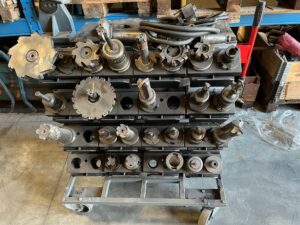
B.99 14259
Spare parts for milling machine
Various
Price on request
Details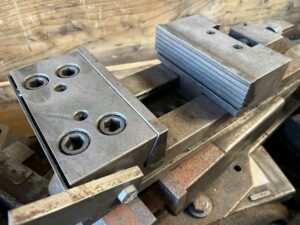
B.99 14258
Spare parts for milling machine
Clamping bloc
Price on request
Details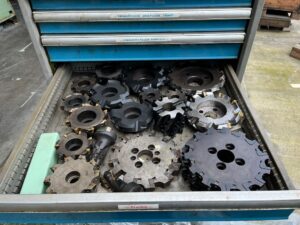
B.99 14250
Spare parts for milling machine
Milling Material/ Freesmateriaal / Mahlgeräte
Price on request
Details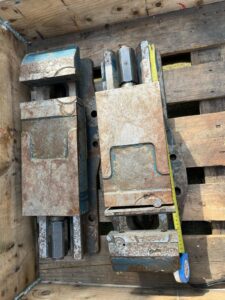
B.99 14242
Spare parts for milling machine
Hydraulic Vice
Price on request
Details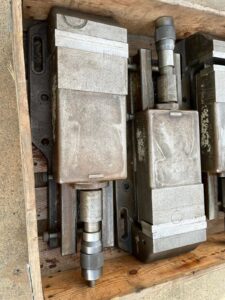
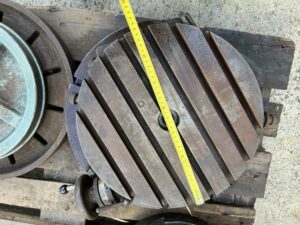
B.99 14239
Spare parts for milling machine
PF
Price on request
Details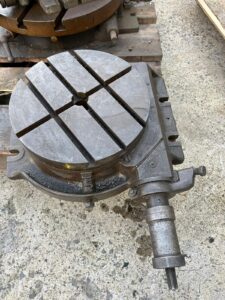
B.99 14238
Spare parts for milling machine
excel
Price on request
Details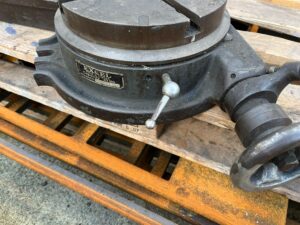
B.99 14235
Spare parts for milling machine
excel
Price on request
Details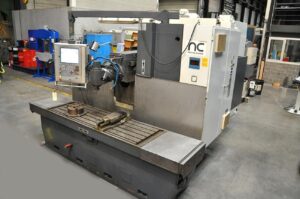
B.03 14229
Bed milling machines with moving table & CNC
Correa A16
Price on request
Details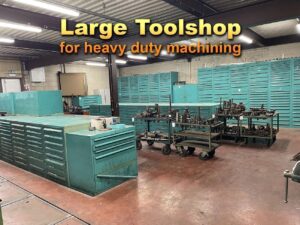
B.03 14181
Bed milling machines with moving table & CNC
ZM
Price on request
Details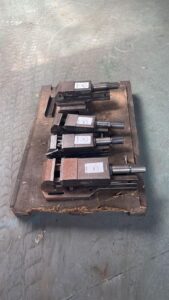
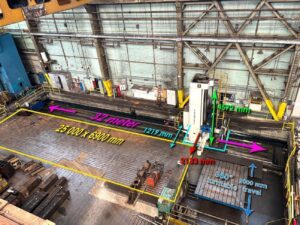
B.04 14151
Bed milling machine with moving column & CNC
Giddings & Lewis
Price on request
Details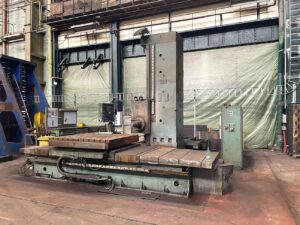
B.03 14149
Bed milling machines with moving table & CNC
Tos WHN13 CNC
Price on request
Details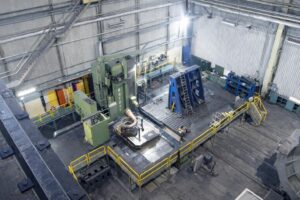
B.04 14131
Bed milling machine with moving column & CNC
Parpas
Price on request
Details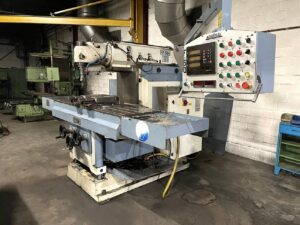
B.01 13972
Universal Milling machine & CNC
Jarbe / Agursal
Price on request
Details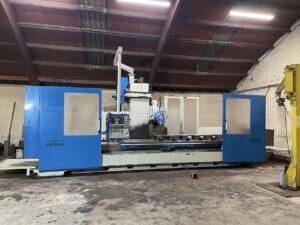
B.03 13957
Bed milling machines with moving table & CNC
Kiheung U1000
Price on request
Details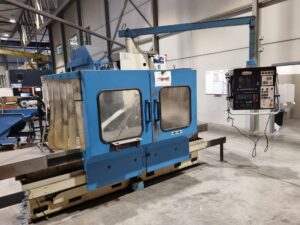
B.03 13956
Bed milling machines with moving table & CNC
Correa
Price on request
Details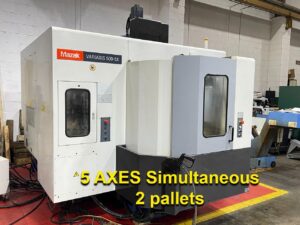
B.04 13095
Bed milling machine with moving column & CNC
Mazak
Price on request
Details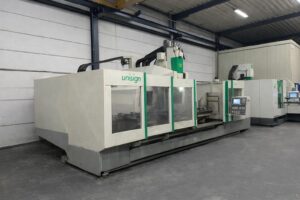
B.04 13094
Bed milling machine with moving column & CNC
Unisign
Price on request
Details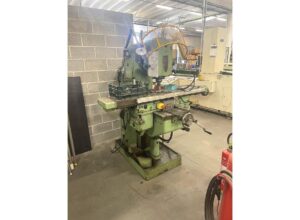
B.01 13087
Universal Milling machine & CNC
Tos
Price on request
Details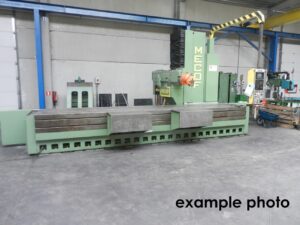
B.04 13024
Bed milling machine with moving column & CNC
Mecof
Price on request
Details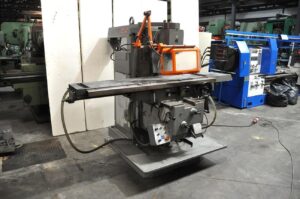
B.01 13009
Universal Milling machine & CNC
Fexac
Price on request
Details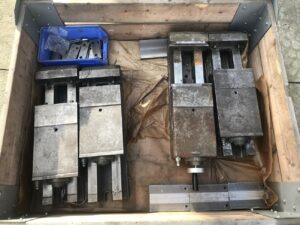
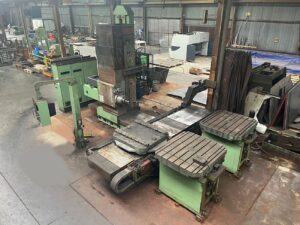
B.03 12899
Bed milling machines with moving table & CNC
Tos
Price on request
DetailsB.03 12843
Bed milling machines with moving table & CNC
Yeong Chin
Price on request
Details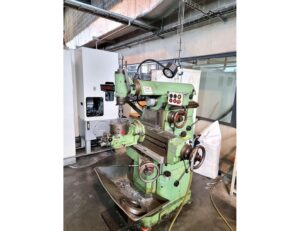
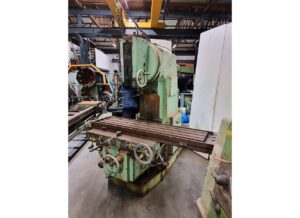
B.01 12677
Universal Milling machine & CNC
Stanko
Price on request
Details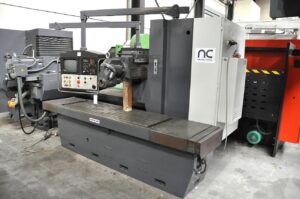
B.03 12655
Bed milling machines with moving table & CNC
Correa A16
Price on request
Details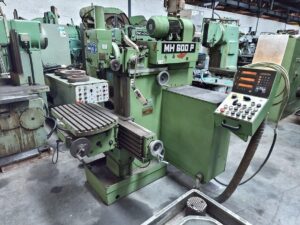
B.01 12646
Universal Milling machine & CNC
Maho
Price on request
Details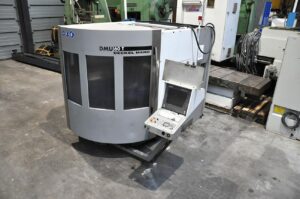
B.01 12643
Universal Milling machine & CNC
DMG Deckel Maho
Price on request
Details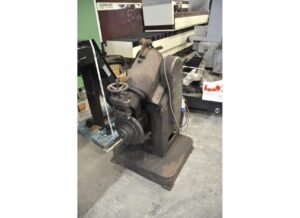
B.11 12633
Other & special purpose milling machines
Pullmax
Price on request
Details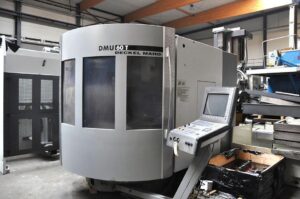
B.01 12586
Universal Milling machine & CNC
DMG Deckel-Maho
Price on request
Details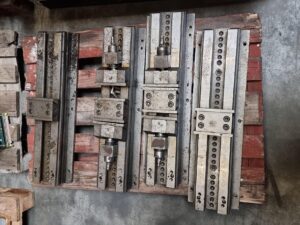
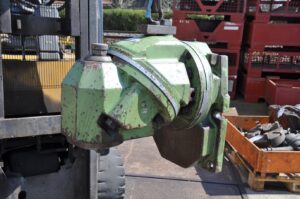
B.99 12484
Spare parts for milling machine
Milling head
Price on request
Details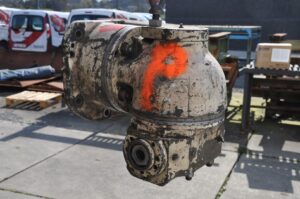
B.03 11302
Bed milling machines with moving table & CNC
Correa
Price on request
Details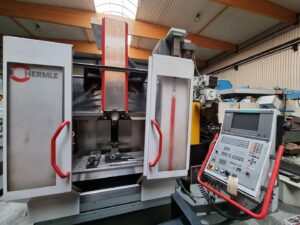
B.01 11122
Universal Milling machine & CNC
Hermle
Price on request
Details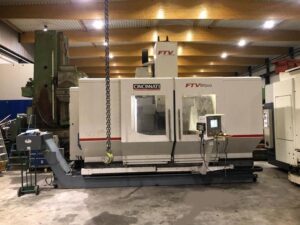
B.04 11091
Bed milling machine with moving column & CNC
Cincinnati
Price on request
Details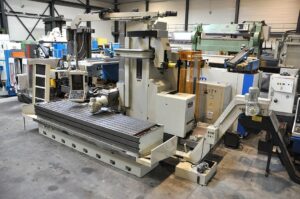
B.04 11059
Bed milling machine with moving column & CNC
Tiger
Price on request
Details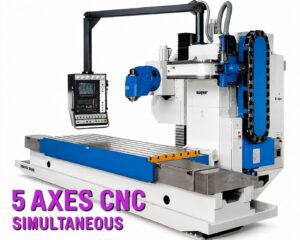
B.03 10951
Bed milling machines with moving table & CNC
Zayer
Price on request
Details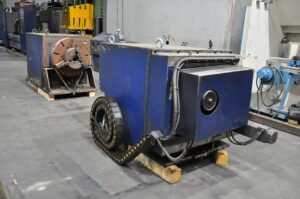
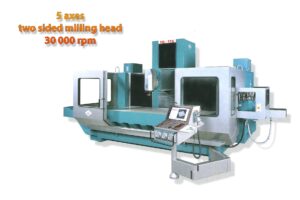
B.01 10827
Universal Milling machine & CNC
OMV/Parpas HS 316
Price on request
Details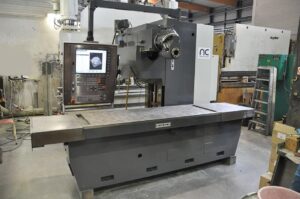
B.03 10743
Bed milling machines with moving table & CNC
Correa
Price on request
Details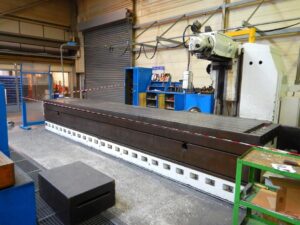
B.01 10578
Universal Milling machine & CNC
Huron
Price on request
Details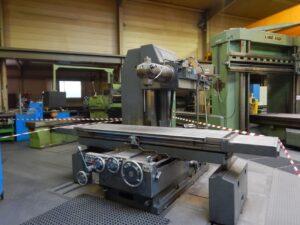
B.01 10577
Universal Milling machine & CNC
Gambin 4B
Price on request
Details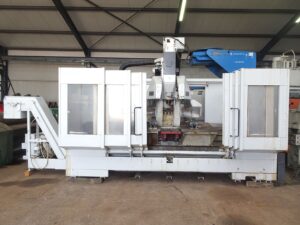
B.04 10573
Bed milling machine with moving column & CNC
Unisign
Price on request
Details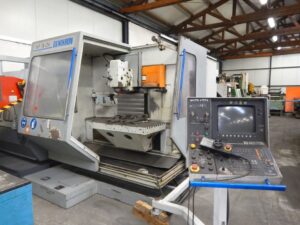
B.01 10470
Universal Milling machine & CNC
Mikron
Price on request
Details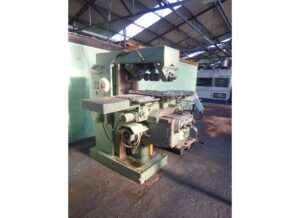
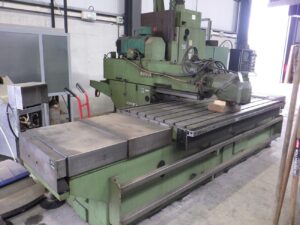
B.01 10264
Universal Milling machine & CNC
Zayer
Price on request
Details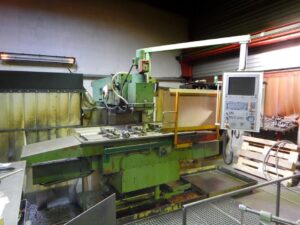
B.01 10250
Universal Milling machine & CNC
WMW
Price on request
Details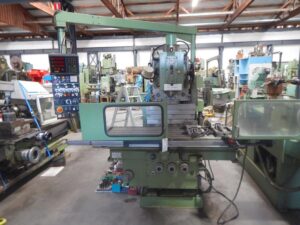
B.01 10249
Universal Milling machine & CNC
Tos
Price on request
Details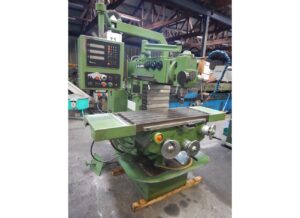
B.01 10233
Universal Milling machine & CNC
Alcor
Price on request
Details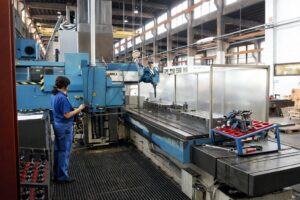
B.03 10214
Bed milling machines with moving table & CNC
Butler
Price on request
Details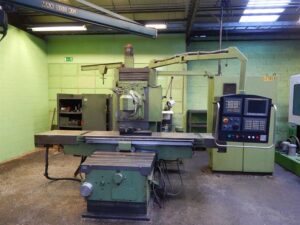
B.03 10113
Bed milling machines with moving table & CNC
Correa B-20
Price on request
Details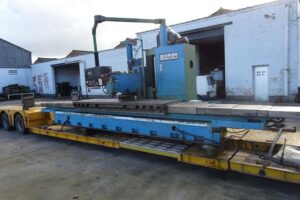
B.03 9952
Bed milling machines with moving table & CNC
Union
Price on request
Details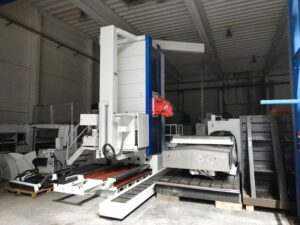
B.04 9845
Bed milling machine with moving column & CNC
Colgar
Price on request
Details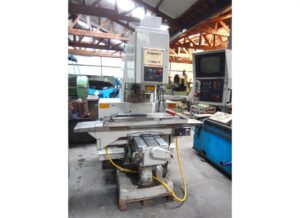
B.03 9776
Bed milling machines with moving table & CNC
Bridgeport
Price on request
Details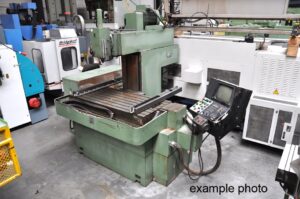
B.01 9772
Universal Milling machine & CNC
Metba
Price on request
Details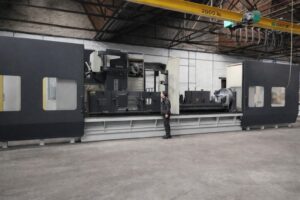
B.04 9745
Bed milling machine with moving column & CNC
MTE
Price on request
Details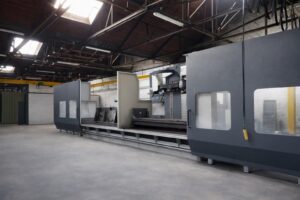
B.04 9744
Bed milling machine with moving column & CNC
MTE
Price on request
Details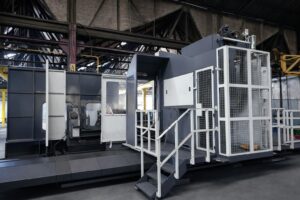
B.04 9743
Bed milling machine with moving column & CNC
MTE
Price on request
Details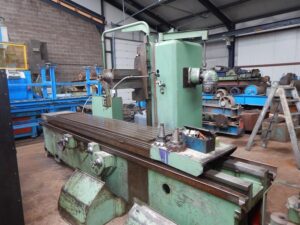
B.03 9737
Bed milling machines with moving table & CNC
Graffenstaden
Price on request
Details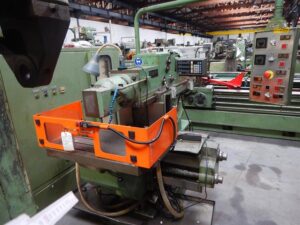
B.01 9693
Universal Milling machine & CNC
Klopp UFB
Price on request
DetailsA milling machine is a machine tool for working metal, wood or plastic through a cutting process. Using a rapidly rotating tool – the cutter – it mills a shape or profile out of a piece of material.
What can you work with a milling machine? Milling machines are designed to machine flat and shaped surfaces, gears and similar features in metal and other workpieces using milling cutters. The spindle carries the rotating main movement, while the workpiece on the table carries a linear or curved feed movement (sometimes with a rotating tool at the same time).
A milling machine is built around a sturdy frame that carries all the components. Heavy machines are always fixed to the floor and fully anchored. On smaller and mid-sized machines, the column and the frame form a single unit, which allows very high dynamic loading (a monoblock design). Large-scale milling machines are usually of modular construction.
The main application of the milling machine is metalworking. Milling machines for metal remove the outermost layers of material by spinning the tool very fast on its axis while the workpiece itself stays fixed. The cutting tool can also stand still while the workpiece moves.
During milling, the feed movement is perpendicular to the rotating axis of the tool or at an angle to it. In drilling the feed runs along the rotating axis, and on a lathe the milling tools rotate about their own axis while the tool follows the programmed contours.
With a milling cutter you can produce profiles, bevelled edges, notches or flat surfaces.
A milling machine can produce intricate shapes in materials: slots, holes, bored holes, islands, pockets and so on. On a milling machine, unlike on a lathe for example, it is the tool that rotates rather than the workpiece.
The control can be manual, automated or CNC-driven.
Conventional milling machines are still operated entirely by hand. There is power to switch the axes on and off automatically, but the distance to be travelled is still set by the operator by switching the control on or off.
Conventional milling machines are used less nowadays because a great many CNC milling machines have taken their place. These CNC machines (Computerised Numerical Control) are often referred to by the term 'machining centre'. They make it possible to produce highly complex workpieces.
A CNC mill offers, among other things, an automatic tool changer and a digital display for the quill travel.
Sorting the various types of milling machine into categories is not straightforward, because some machine functions overlap. We therefore use the following guide to group them:
o The position of the spindle (horizontal, vertical or universal milling machines)
o Which materials the machine can process (metal / wood / plastic)
o The type of control (conventional / CNC, Computerized Numerical Control)
o The machine frame (knee-type, bed-type and gantry milling machines)
Although a milling machine may sound fully automatic, an operator is still needed.
On a milling machine the main movement is the rotation of the cutter, and the feed movement is the relative movement of the workpiece and the cutter. Preparing the cutting process calls for auxiliary movements: setting and adjusting the machine, checking, clamping and releasing the workpiece and the tools, bringing the tool up to the surface and retracting it, movements of equipment for automatic dimensional checking, and so on.
These auxiliary movements can be carried out automatically or by hand. Where they are largely automatic, the operator programmes the machine, adjusts it and makes sure the processes run exactly as intended.
If the machine has no automatic loading system, qualified staff are needed to work with it. The operator also has to know the machining instructions and the safety rules, and how the materials will behave. Because the work often involves high temperatures and high rotational speeds, protective clothing must be worn.
Milling machines are produced by manufacturers large and small, chiefly in the USA, Germany, China, Taiwan, Japan and the Netherlands.
The best-known manufacturers are: MAZAK, NICOLAS CORREA, DMG, DANOBAT, DOOSAN, HAAS, HYUNDAI, OKUMA, HERMLE, ZAYER, MIKRON, HURON, TIGER, DAHLIH, EMMEGI, MTE, KIHEUNG, CHIRON, UNISIGN, LAGUN, BERGONZI, MILLTRONICS, BRIDGEPORT, HARTFORD, LEADWELL, KAO MING, ENSHU, BROER, ELUMATEC, SCHAUBLIN, MORI SEIKI, HECKERT, ZIMMERMAN, DAEWOO, HWACHEON, NILES-MAGDEBURG, EMCO, TOS, MAHO, DECKEL, KLOPP, KNUTH, HELLER, HURTH, WMW, MAHO.
Yes. The main field of application for the milling machine is metalworking.
✔ Cost saving: save considerably compared with a new machine ✔ Ready to use: no long lead times, start work straight away ✔ Guaranteed quality: every machine is inspected and overhauled ✔ Sustainable: reuse is an environmentally sound choice
When buying a second-hand wire processing machine it is important to check: 🔹 the condition of the machine – has it been overhauled and well maintained? 🔹 the brand and type – choose a reputable brand for reliability 🔹 the software and control – is the machine compatible with your production process? 🔹 warranty and service – will you get support for maintenance and breakdowns? We make sure every machine meets strict quality standards, so you can buy a second-hand model with confidence and count on top performance for years to come.
Looking for a reliable milling machine at an affordable price? Buying a used machine is a smart investment that gives you top performance without breaking the bank.
✅ Save up to 50% – Get professional quality for less
✅ Tested and Guaranteed – Every machine is inspected before sale
✅ Immediate Availability – No long waiting times, start working right away
✅ High ROI – Used machines pay for themselves faster
We offer a range of used milling machines from top brands like Haas, Mazak, DMG Mori, and more. Every machine is carefully inspected, in excellent condition, and ready for use.
🔧 Not sure which machine suits your needs? Our experts are here to help you find the perfect fit.
📞 Contact us today for a free consultation!
Milling machines remove material from a workpiece by rotating a cutting tool across one or more axes, making them essential for producing flat surfaces, slots, pockets, contours and complex 3D shapes in metal. Buying used gives you the same working capacity as new at a significantly lower investment. APT International has been sourcing, overhauling and selling used milling machines since 1990, with a large and varied stock ready to inspect in Belgium.
The milling machine stock regularly includes machines from Tos, ZM, Huron, Correa, Maho and Unisign. These are established manufacturers known for robust construction and long service life, which is exactly what makes their machines worth buying second-hand.
See a machine that fits your needs? Contact APT today to request a quote or plan a visit to inspect it in person!
Machine Alert
Get new machines by email in your category